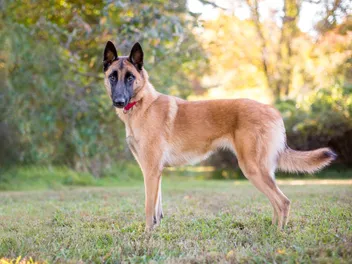
Belgian Mastiff Dog Breed: Info, Pictures, Temperament & More

In this article
The Belgian Mastiff is an imposing breed with an awe-inspiring presence and a history rooted in strength and loyalty. Many people are looking to own this increasingly popular dog, so keep reading as we discuss their temperament, diet, intelligence, health conditions, and much more.
Breed Overview
Height:
Weight:
Lifespan:
Colors:
Suitable for:
Temperament:
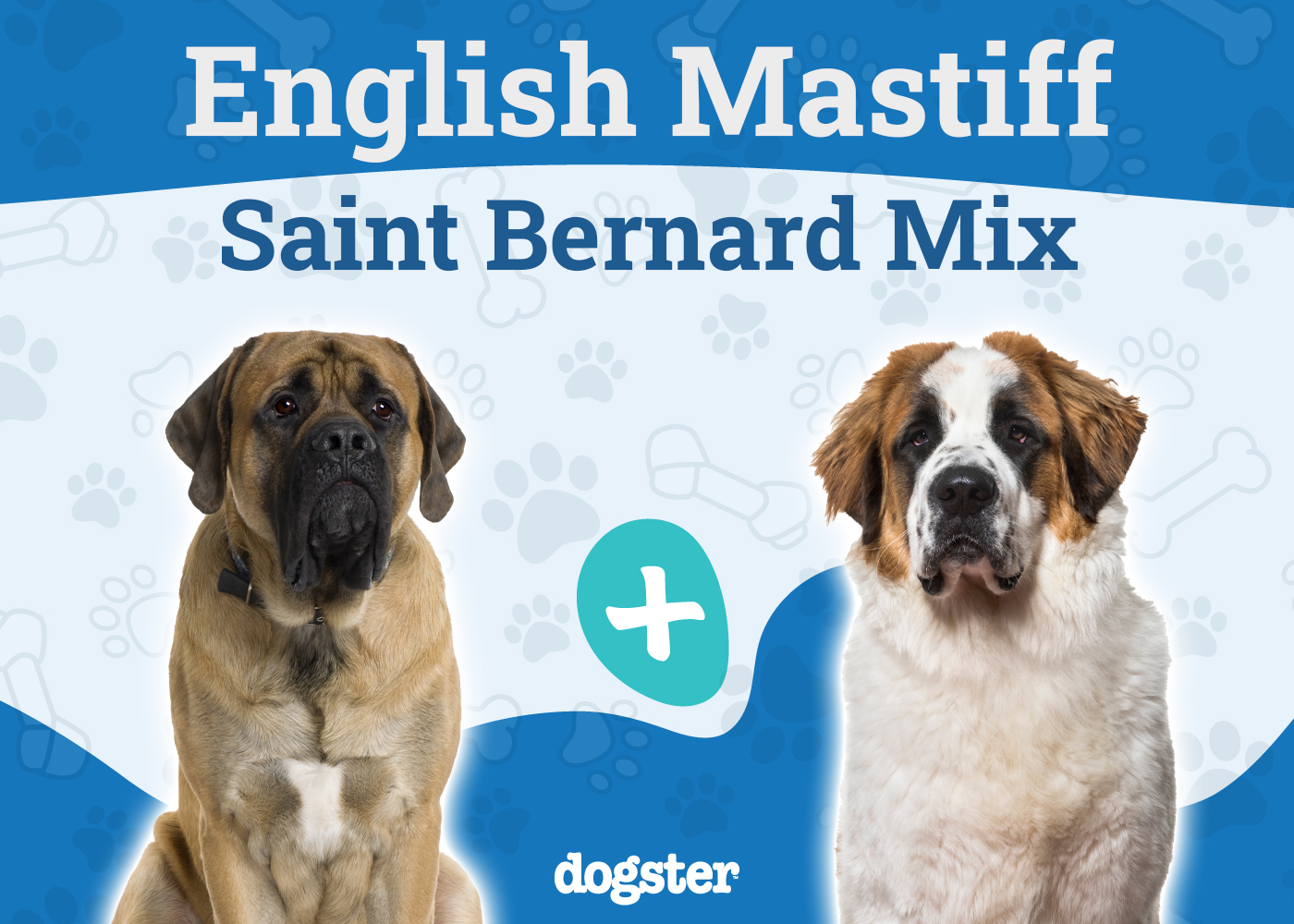
What’s fascinating about the Belgian Mastiff is the unique blend of various breeds that contribute to their exceptional traits and captivating appearance. The English Mastiff, Saint Bernard, and possibly other breeds were bred together, resulting in a dog that has the size and strength of the Mastiff, the gentle and affectionate nature of the Saint Bernard, and the protective instincts of both breeds. The Belgian Mastiff’s imposing size and powerful physique command attention, making them a great guard dog, while their calm and composed temperament endear them to their human family and help make them a wonderful pet.
Belgian Mastiff Characteristics

Belgian Mastiff Puppies
As a puppy, the Belgian Mastiff is a delightful mix of curiosity, playfulness, and inherent protectiveness. However, while they are undeniably cute, their large size and strength require responsible handling and training from an early age so they don’t get out of hand as adults. Finding a Belgian Mastiff can also be challenging, as they are not as common as some other breeds. Due to their mixed lineage, you will need to find a reputable breeder specializing in breeding and raising Belgian Mastiffs, though you might be able to find one at a local animal rescue or shelter.


Temperament & Intelligence of the Belgian Mastiff 🧠
The Belgian Mastiff has a gentle and protective temperament, making them an exceptional companion and guardian. They are loyal and devoted to their family and can form deep bonds with their owners. They are intelligent with a keen sense of awareness and are quick to assess situations and respond accordingly, but they can have an independent streak that requires patience and training to help them stay focused and be less wary of strangers.
Are These Dogs Good for Families? 👪
Yes, the Belgian Mastiff can make a wonderful pet if you are comfortable with their large size. They are fiercely loyal to their families and have a strong protective instinct. They are patient and gentle with family members, including children, and love to join activities. However, they are large dogs that require plenty of regular exercise to maintain their physical and mental well-being. They will also need plenty of early socialization with places, people, and animals to help them be less wary of strangers and more comfortable in strange environments.
Does This Breed Get Along With Other Pets? 🐶 😽
Due to their large size, the Belgian Mastiff is not easily intimidated by other dogs and frequently gets along well with them. However, they have a strong prey drive that can cause them to chase after smaller animals. To help ensure that they get along with your other pets, give them plenty of socialization as a puppy. The more people, places, and other animals they meet when they are young, the more accepting they will be of them as adults.
Things to Know When Owning a Belgian Mastiff
Food & Diet Requirements 🦴
Feed your Belgian Mastiff a high-quality dog food that has real meat, such beef, turkey, chicken, or lamb, as the first ingredient. It’s also a good idea to look for other healthy ingredients like real vegetables, probiotics, and omega-3 fatty acids. Avoid brands that contain artificial ingredients, coloring, or chemical preservatives like BHT or BHA. Pick a brand appropriate for your dog’s age, and follow the portioning guidelines carefully to help prevent your pet from becoming overweight.
Exercise 🐕
Your Belgian Mastiff will need at least 30–60 minutes of moderate to vigorous exercise daily. Activities like walks, jogs, and playtime in a secure area are perfect. Avoid activities that include jumping, as it could strain their joints due to their large size. Swimming is a good choice because they usually enjoy it, and it’s a low-impact exercise that will help them burn calories and maintain an ideal body weight.
Training 🎾
Training is an essential part of managing your Belgian Mastiff. Start training early when they are 3–14 weeks old and more receptive to new things. Use positive motivation like treats, praise, and playtime to help motivate them and reinforce desired behaviors. Be consistent in your training approach and set clear rules and boundaries. Hold short daily training exercises at scheduled times to help get your pet into a routine, and be patient, as it can take many weeks for your dog to learn a new trick or command.
Grooming ✂️
Due to its short coat, the Belgian Mastiff is not difficult to groom. Regular brushing will help remove loose fur and prevent matting and will be especially important during the shedding seasons in spring and fall. They won’t require much bathing, but you must trim their nails regularly, especially if you hear them clicking on the floor as they walk. They have floppy ears that can hold moisture and dirt, so you will need to check and clean them frequently to avoid infections, and you will need to do the same for the wrinkles on their face. Regular dental cleaning is also important, as many dogs suffer from dental disease, so brush them manually with dog-safe toothpaste as often as possible.
Health and Conditions 🏥
Minor Conditions
- Progressive retinal atrophy is a degenerative disease that affects the eyes’ photoreceptor cells. This condition makes it difficult for your dog to see at night, eventually leading to blindness. It usually progresses over 1–2 years, and no current treatment exists.
- Obesity affects many dog breeds, and some experts suggest that more than 50% of dogs in the United States are overweight. It can lead to serious health problems later in life, including diabetes, cardiovascular issues, and liver problems, dramatically shortening your pet’s lifespan. The best way to avoid obesity is to ensure that your pet gets plenty of exercise and to watch your portioning of food.
Serious Conditions
- Hip dysplasia is a hereditary condition where the hip joint does not develop properly. It can cause discomfort, lameness, and early-onset arthritis. It is especially prevalent in the Belgian Mastiff due to their large size. Signs can include decreased activity, lameness in the hind end, and avoidance of stairs. Treatment usually includes weight management, medication, and surgery.
- Elbow dysplasia is an abnormal development of the elbow joints in large, rapidly growing dogs like the Belgian Mastiff. Signs can include limping, one or both legs rotating inward with the elbows turning outward, and a cracking sound when the elbow joint moves. Treatment includes weight reduction, physical therapy, joint supplements, and medication.
- Hypothyroidism is a condition that causes your pet’s metabolism to slow down. It could cause weight gain without an increased appetite, cold intolerance, lethargy, and dull hair. Treatment can include medication and surgery.
Male vs. Female
Male Belgian Mastiffs tend to be slightly larger and heavier than females and may exhibit more dominant behaviors, but the two sexes are similar otherwise, with both showing plenty of patience and affection for family members with the desire to protect and serve.
3 Little-Known Facts About the Belgian Mastiff
1. They're Descended from Ancient Breeds
Many people believe that the Belgium Mastiff is a descendant of ancient war dogs used by the Roman Empire.
2. They Are Not True Mastiffs
Despite the Belgian Mastiff’s name, this breed is not classified as a true Mastiff. The Federation Cynologique Internationale (FCI) and the United Kennel Club (UKC) list them as a separate breed.
3. They Can Do Many Jobs
The Belgian Mastiff has excelled in various working roles, including search and rescue, police work, and even therapy.
Final Thoughts
The Belgian Mastiff is a wonderful pet for anyone looking for a large pet. They make excellent guard dogs due to their size alone, but they are usually quite friendly and affectionate, often preferring to stay close to a family member. They will need plenty of socialization and training as a puppy to help them feel more comfortable around strangers and other pets. Around 30–60 minutes of moderate activity daily will help them stay happy and healthy.
Expert dog care, straight to your inbox
News, insights, expert advice, and everything dog.

No spam — unsubscribe anytime.
By signing up, you agree to our Terms & Conditions and Privacy & Cookies Policy.
How useful was this post?
Click a star to rate. You can leave written feedback afterwards. (We read all feedback.)
Ed Malaker is a seasoned writer who has contributed to a wide range of blogs covering everything from tools to guitars, and pets to fitness. When Ed isn't writing, he is usually making DIY projects around the house or working in the garden.